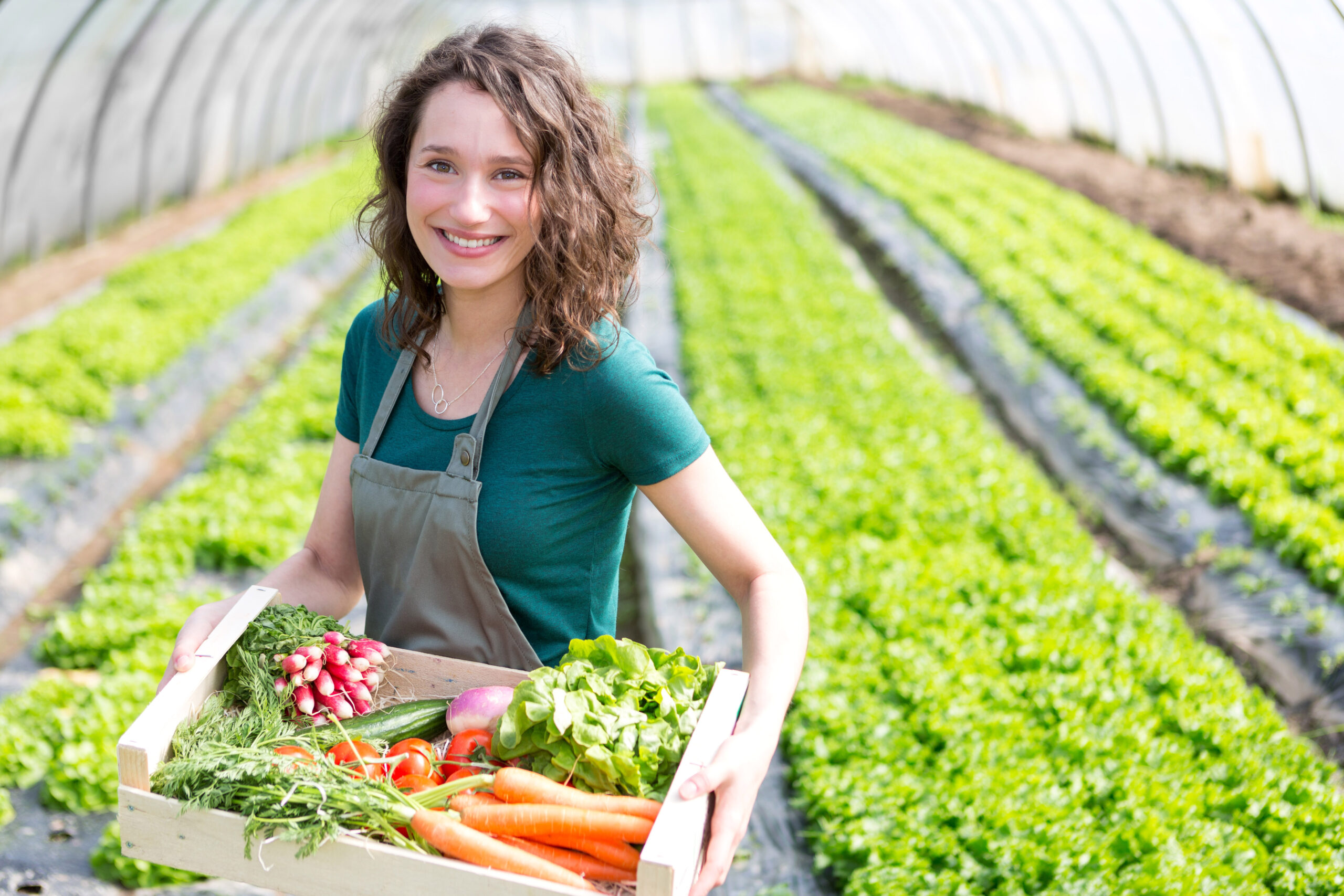
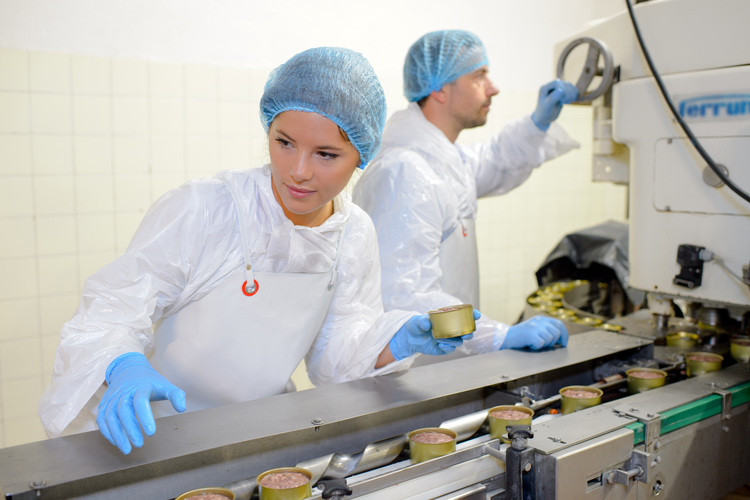
The coronavirus pandemic has had a widespread impact on the world, including in the agriculture, horticulture and food processing/packaging sectors. In some parts of the world, these impacts have been quite damaging and, despite the facts that food is one of the basic needs and demands remain high, the pandemic is still affecting these sectors in the following ways:
Ways The Pandemic Is Affecting The Agriculture, Horticulture And Food Processing/Packaging Sectors
Loss Of Jobs
many food industry workers have been furloughed. Plantation workers, veterinarians, agronomists, factory workers, and packaging staff have all been affected as well. Low demand for certain produce and food products have cause the dismissal of many workers. It will take some time before these sectors can fully recover and start hiring more people.
Restricted Access
Brexit and the pandemic have made it much more difficult for businesses in the agriculture, horticulture, and food processing/packaging sectors to continue trading cross-borders. Although most borders remain open for international trade, there are a number of new restrictions to tackle. Countries without a well-established industry need to import fertilisers to maintain good crop yields. Fertilisers have gone up in price and they are more difficult to obtain in some areas. This situation has forced some businesses to curtail their production capacity to stop wasting resources and to limit financial losses.
Reduced Productivity
depending on the severity of lockdowns, productivity can be significantly affected. If some workers have been tested positive, the farm or factory can be required to stop operations temporarily to prevent further spread. Because many workers need to remain at home, this has direct impacts on productivity. Lower production may result in higher prices and further reduces demands for certain food products. This may encourage farms and factories to rely more on automation to reduce dependence on manual labours.
Loss Of Revenue
many businesses in the food production sectors need to scale back their growth projections due to the unexpected situations. The pandemic hasn’t only caused reduced revenue, but also brought net loss to many businesses. Temporary closure or reduction in operational activities can be necessary to prevent further losses.
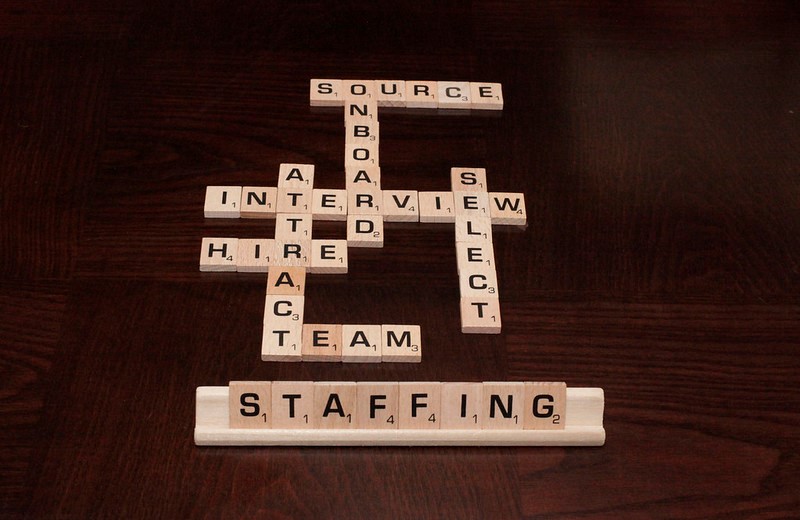
There is a bright side, however. As the world begins to reopen and many countries have gotten control of the pandemic, many businesses within the agriculture, horticulture and food processing/packaging sectors are hiring again. Increased demand for products means an increased demand for labour and many businesses are paying a premium for skilled labourers who are looking for work now.
Get In Touch With Ignite Temps
To learn more, contact Ignite Temps today and speak with a GLAA regulated sectors staffing solutions expert who can answer any questions you might have.
If you enjoyed this article, please feel free to share it on your favorite social media sites.